The Importance of an Optical Measurement System in Industrial Applications
Optical measurement systems play an essential role in commercial applications. They provide high accuracy and promote non-contact measurement, which is vital for shielding delicate parts. These systems boost functional efficiency and promote top quality control. Their application is not without obstacles. Recognizing their significance and the complexities entailed can illuminate their transformative capacity in modern-day production. What are the details advantages and difficulties that these systems present?
Comprehending Optical Measurement Equipments
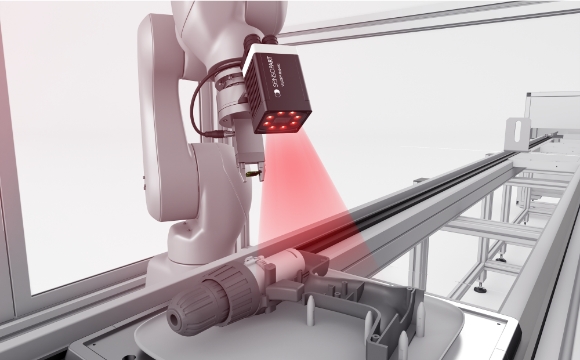
Optical measurement systems play an essential duty in various commercial applications by providing specific and precise information collection. These systems make use of light to determine physical homes such as measurements, surface accounts, and product attributes. The basic parts typically include lasers, electronic cameras, and sensors that record and analyze light reflected from objects. By using strategies such as interferometry and photogrammetry, these systems can detect minute adjustments in form and dimension, which are critical for high quality control and item consistency.Furthermore, optical measurement systems are non-contact, permitting them to assess fragile or intricate products without creating damages. They are versatile, discovering applications in fields like aerospace, automotive, and electronics manufacturing. The integration of innovative software application for data analysis enhances the functionality of these systems, allowing real-time monitoring and feedback. As industries evolve, the value of optical measurement systems remains to expand, sustaining the need for greater precision and performance.
Secret Benefits of Optical Measurement in Production
While conventional measurement methods typically include physical call and can introduce errors, the fostering of optical measurement systems in manufacturing offers considerable advantages. These systems use non-contact methods, lessening the danger of damages to sensitive parts and guaranteeing the honesty of dimensions. Optical measurement provides high accuracy and precision, allowing producers to achieve tight resistances vital in competitive markets.Additionally, the speed of optical measurement systems enhances performance. optical measurement system. Quick data purchase enables real-time monitoring, facilitating instant modifications in manufacturing processes. This effectiveness causes decreased waste and enhanced source allocation.Furthermore, the versatility of optical systems fits a large range of products and geometries, making them suitable for numerous applications. Their capability to integrate effortlessly with automation modern technologies supports Industry 4.0 efforts, promoting smarter producing environments. Generally, the vital advantages of optical measurement add considerably to boosting quality assurance and operational performance in contemporary production settings
Applications of Optical Measurement Solutions
Optical measurement systems play a crucial function in various industrial applications, specifically in improving accuracy during making processes. They are integral to top quality control and assurance, making sure that items meet rigorous criteria. Furthermore, these systems support research study and advancement campaigns by providing accurate data for advancement and renovation.
Accuracy in Manufacturing Processes
In modern production, high precision is necessary for making sure product high quality and functional performance. Optical measurement systems offer sophisticated capabilities that significantly enhance precision throughout the manufacturing process. These systems make use of light and imaging modern technologies to record in-depth measurements of elements, making it possible for suppliers to achieve tight tolerances and precise measurements. By integrating optical measurement right into production operations, companies can rapidly identify discrepancies from requirements, therefore lowering waste and minimizing rework. The non-contact nature of optical dimensions allows for checking delicate or delicate materials without danger of damage. Ultimately, the adoption of optical measurement systems fosters a society of precision in production, resulting in boosted performance and competition in the marketplace.

Quality Assurance and Assurance
Quality guarantee in making greatly depends on specific measurement strategies to ensure that products fulfill established requirements. Optical measurement systems play an essential duty in this procedure, making it possible for exact evaluations of dimensions, surface area high quality, and other crucial features of made products. By employing high-resolution imaging and innovative evaluation algorithms, these systems identify inconsistencies from specs, guaranteeing consistency throughout manufacturing. Furthermore, optical measurements can be non-destructive, protecting the integrity of items while helping with fast assessments. The combination of these systems right into quality assurance protocols improves performance and lowers waste, ultimately contributing to enhanced item integrity. As sectors endeavor for excellence, the adoption of optical measurement innovations ends up being significantly essential for maintaining competitive advantage and customer contentment.

Study and Growth Applications
As industries endeavor for advancement, optical measurement systems have actually become a necessary device in research study and advancement applications. optical measurement system. These innovative systems give exact measurements of materials and parts, enabling engineers and researchers to obtain important understandings right into their homes and performance. Optical measurement innovations, such as laser scanning and interferometry, assist in the quick prototyping of new designs and the optimization of existing items. By recording high-resolution data, scientists can recognize issues and examine the impact of numerous criteria on product functionality. In addition, these systems sustain interdisciplinary partnership, connecting gaps in between various fields. The combination of optical measurement systems into R&D processes inevitably increases growth timelines why not find out more and promotes the creation of sophisticated options in different industrial fields
Comparing Optical Measurement to Traditional Approaches
In comparing optical measurement systems to typical approaches, a number of crucial variables arise, including accuracy and accuracy. Furthermore, the speed of measurement and cost-effectiveness play substantial functions in establishing the suitability of each strategy for commercial applications. This assessment highlights just how developments in optical modern technology may provide benefits over standard techniques.
Accuracy and Precision
Optical measurement systems provide substantial benefits in accuracy and precision compared to standard measurement techniques. These systems utilize innovative technology, such as lasers and high-resolution cams, to record dimensional data with marginal error. On the other hand, typical methods typically rely upon mechanical tools that can introduce variability due to human mistake or product wear. Optical systems can achieve micrometer-level precision, making sure regular results also in intricate geometries. Furthermore, they give non-contact measurement, decreasing the danger of damaging sensitive components. This capacity is especially helpful in sectors where tolerances are crucial, such as aerospace and automobile manufacturing. The fostering of optical measurement innovation enhances quality control and lowers the probability of problems, inevitably enhancing general production efficiency.
Speed of Measurement
The benefits of optical measurement systems expand past accuracy and accuracy to include substantial renovations in measurement rate. Standard measurement techniques typically need lengthy setups and hand-operated computations, which can slow down production processes. In contrast, optical systems utilize advanced modern technologies such as laser scanning and imaging, allowing fast data acquisition and handling. This performance enables for real-time measurements, promoting quicker decision-making in producing environments. The ability to capture large quantities of data in a brief time improves throughput and productivity, providing organizations an affordable edge. In addition, with lowered measurement times, optical systems reduce downtime related to evaluations, additionally improving procedures. Consequently, the speed of measurement in optical systems substantially contributes to general operational performance in commercial applications.
Cost-Effectiveness Evaluation
A complete cost-effectiveness analysis exposes that optical measurement systems often give substantial monetary advantages over conventional methods. These systems generally lower the demand for substantial physical setups, lessening labor prices and downtime throughout measurement processes. Optical techniques can also yield faster outcomes, bring about increased efficiency and minimized functional expenditures. Additionally, the precision offered by optical measurements reduces the possibility of expensive mistakes, which can emerge from manual interventions and conventional methods. Over time, the preliminary financial investment in optical modern technology is frequently offset by cost savings in resources, time, and improved product quality. Consequently, industries that adopt optical measurement systems may discover themselves not just enhancing efficiency yet also achieving a more positive cost-benefit ratio contrasted to standard methods.
The Duty of Automation in Optical Measurement
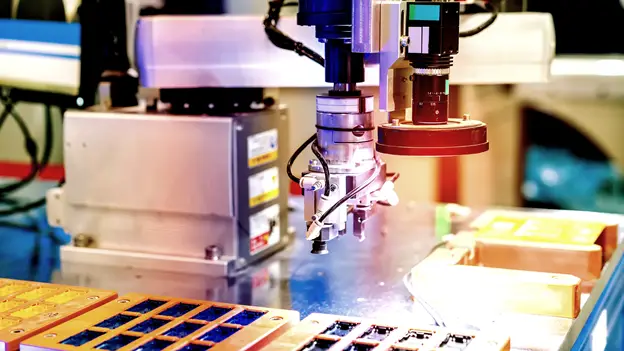
While lots of sectors increasingly count on precision and effectiveness, automation has actually become a vital part in enhancing optical measurement processes. By integrating automated systems, companies can greatly enhance measurement precision and minimize human mistake. Automated optical measurement systems utilize sophisticated formulas and sensing units to offer real-time data evaluation, facilitating quicker decision-making and process adjustments.Additionally, automation enables constant measurements across numerous manufacturing runs, ensuring that top quality criteria are maintained. The scalability of automated optical measurement systems makes them suitable for diverse applications, from quality assurance in manufacturing to assessment in semiconductor production.Furthermore, these systems can be flawlessly incorporated right into existing production arrangements, advertising a smooth shift towards more efficient procedures. On the whole, the duty of automation in optical measurement is crucial, supplying boosted integrity, reduced labor costs, and improved operational efficiency, inevitably driving commercial competition.
Obstacles and Factors To Consider in Implementation
Applying optical measurement systems, despite having the benefits of automation, offers numerous obstacles and factors to consider that companies need to browse. One substantial obstacle is the combination of these systems into existing workflows, which might call for considerable modifications in processes and employee training. Organizations must also address the compatibility of optical measurement technologies with current tools and software.Additionally, the irregularity of materials and environmental conditions can impact measurement precision, demanding robust calibration and maintenance methods. Price is one more important factor to consider, as preliminary investments can be significant, and companies need to evaluate these costs versus prospective efficiency gains. Information monitoring also poses challenges, as the quantity of details generated needs effective systems for storage, evaluation, and interpretation. Making sure compliance with market criteria and policies includes an additional layer of complexity to the application process, calling for careful preparation and execution.
Future Patterns in Optical Measurement Technology
As markets continue to develop, improvements in optical measurement technology are established to transform their operational landscapes. Arising trends suggest visit homepage a change towards increased automation and combination with expert system, boosting the precision and effectiveness of dimensions. Adaptive optics is getting grip, permitting systems to readjust in real-time to differing environmental conditions, thus lessening errors. The miniaturization of optical sensing units is allowing their implementation in more portable and diverse settings, expanding application opportunities in industries such as aerospace and manufacturing.Additionally, the advancement of 3D optical measurement methods is transforming quality control processes, offering even more considerable information evaluation. view Technologies in data handling formulas are likewise anticipated to enhance the interpretation of complicated measurements, making insights extra obtainable. Jointly, these fads show a future where optical measurement technology not just boosts accuracy yet additionally boosts functional agility, placing sectors to much better meet advancing needs.
Regularly Asked Concerns
How Do Optical Measurement Systems Ensure Data Precision?
Optical measurement systems guarantee data precision with precise calibration, progressed formulas, and high-resolution imaging. These elements collaborate to minimize errors, boost measurement consistency, and supply dependable outcomes necessary for various industrial applications and procedures.
What Is the Regular Life Expectancy of an Optical Measurement System?
The normal lifespan of an optical measurement system differs, often ranging from five to fifteen years. Factors influencing long life include usage strength, environmental conditions, upkeep practices, and technological developments that might necessitate upgrades or replacements.
Can Optical Measurement Systems Be Customized for Specific Industries?
What Training Is Needed for Operating Optical Measurement Systems?
Training for running optical measurement systems typically consists of understanding system elements, software application usage, calibration methods, data analysis, and safety methods. Participants frequently take part in hands-on technique and might complete accreditation programs to enhance their proficiency.
Just How Do Environmental Elements Influence Optical Measurement Outcomes?
Environmental aspects, such as temperature, humidity, and lights problems, significantly influence optical measurement outcomes. Variations in these elements can result in inaccuracies, influencing the precision and integrity of measurements taken by optical systems in numerous settings.